Practical Kali Linux Overview Part 1
Using Kali Linux can be overwhelming for new users, Kali has a wide array of tools and software which can be used in a wide array of ways. When I start using Kali, I always have a goal in mind, "What ports are open the Staff Subnet" or "Is there any glaring issues with this device on the network". This tends to help me narrow scope and allow me to pick out tools and or software to achieve my goal.
We will start by going through the list at what I consider to be useful Kali apps and their purpose which I have used previously in the field for various of things.
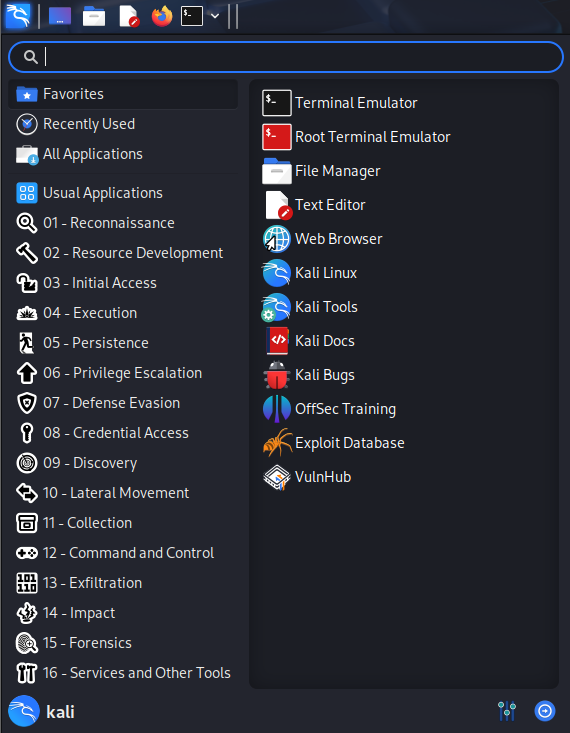
01-Reconnaissance
The purpose of Reconnaissance is to find information, this could be network information, publicly accessible information, and can be done through scanning or searching. Some of the big tools here is nmap, legion, burpsuite, and nikto.
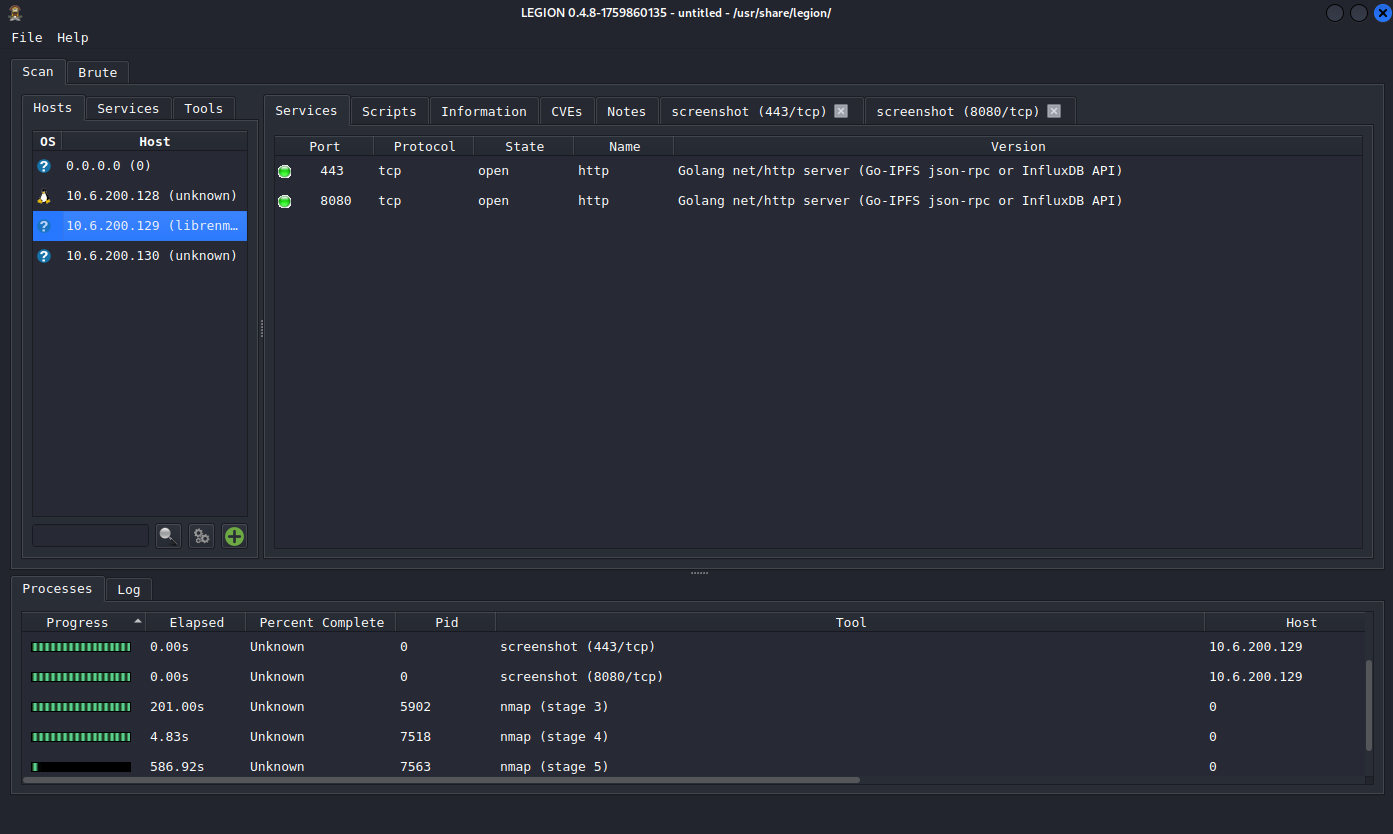
Nmap and legion are pretty similar, nmap is a tried-and-true network scanning tool used to detect open ports/devices, legion is a wrapper for nmap with a nice GUI that allows a less tech savvy person to use, I also like the aggregation of findings which can be helpful to determine which devices have what open ports.
Burpsuite can be used free and offers a platform of web security analyzing tools which can determine active exploits and misconfigured websites. I've used this to determine if any directory traversal exploits exist on self-hosted website before.
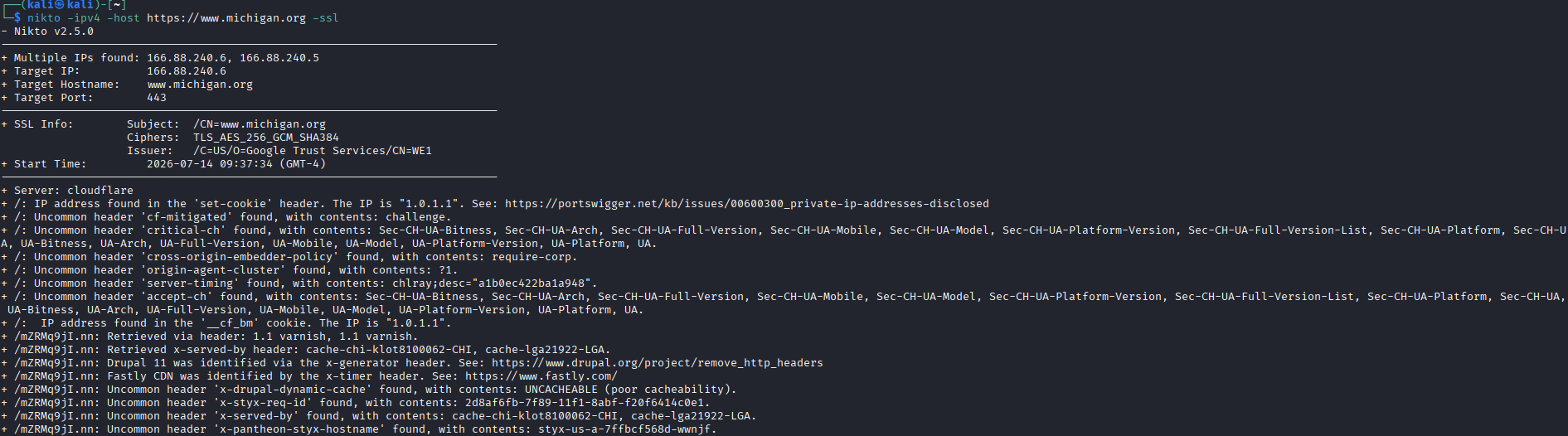
Last is nikto is another website vulnerability scanner which can easily find misconfigs and dangerous settings, it's a great place to start when checking over hosted websites that are open to the web.
02-Resource Development
Resource Development is a collection of payload creating software and languages used in more commands/packages. This includes msfvenom, pyinstaller, and searchsploit.
Msfvenom creates packages that can loaded into metasploit for the purpose of exploiting a known vulnerability, by default it has thousands of vulnerabilities preconfigured for a variety of systems. I've not used this since finding the vulnerability is enough for me to patch it, but it is interesting how easy a vulnerability can be exploited using this along with metasploit.
Pyinstaller is used to build a packaged python installation all in one place, useful when adding additional tools to Kali but if you are just using the preinstalled tools then not really useful.
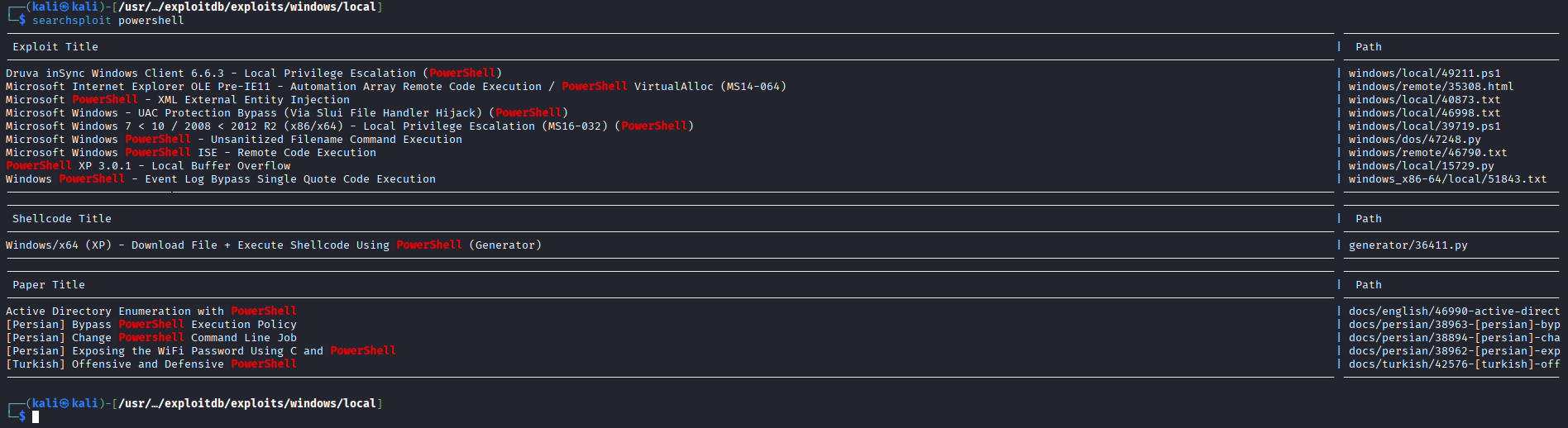
Lastly is searchsploit, this has a preconfigured database of known exploits and can be easily used with normal nomenclature to find exploits depending on the information given to it. As shown below you can easily use it to find a specific version/application then retrieve a package or script which is locally downloaded in the searchsploit directory. The default directory where the Path is referencing is located in /usr/share/exploitdb folder.
In my next part we will cover more of the default apps and dig deeper into metasploit!